Commercial Kitchen Cleaning Supplies: A Guide to Hygiene and Efficient Maintenance
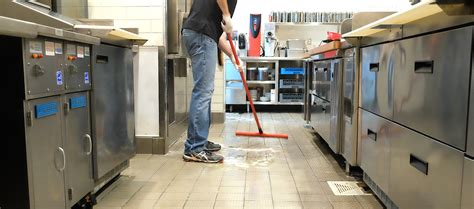
Commercial kitchens operate under demanding conditions, with frequent food preparation, continuous equipment use and regular exposure to grease, moisture and food residue. Choosing suitable commercial kitchen cleaning supplies helps cleaning teams maintain work areas, cooking equipment, floors and dishwashing stations. A well-planned cleaning programme supports hygienic food handling, helps protect equipment and makes routine maintenance more manageable.
Restaurants, cafés, catering businesses, canteens and institutional kitchens all have different cleaning requirements. The most suitable products depend on the type of soil, the surfaces involved, equipment specifications and applicable food safety procedures.
Why Commercial Kitchen Cleaning Matters
Food preparation environments require consistent cleaning because food residue and grease can accumulate quickly. Workbenches, chopping areas, sinks, handles and equipment controls may need repeated attention throughout a shift.
A cleaning programme should distinguish between removing visible dirt and applying a product intended to sanitise or disinfect. Cleaning removes soil and residue, while sanitising and disinfection involve different purposes and must follow the relevant product instructions.
Regular maintenance can also help prevent stubborn grease deposits, reduce odours and keep equipment in suitable working condition. Written procedures make it easier for staff to understand which tasks must be completed and when.
Degreasers for Cooking Areas
Cooking processes can leave grease on splashbacks, exhaust areas, benches, cooktops and surrounding surfaces. Suitable kitchen degreasers are designed to help loosen and remove greasy deposits from compatible materials.
The strength and formulation should match the task. A product intended for heavy-duty cleaning may not be appropriate for every surface, particularly aluminium, coated finishes or sensitive equipment components.
Before use, staff should check the label for dilution instructions, protective equipment, application methods and rinsing requirements. Cooking equipment should be cleaned according to the manufacturer's guidance, and surfaces must be returned to a suitable condition before food preparation resumes.
Regular removal of grease can make routine cleaning easier than allowing deposits to build up over time.
Oven, Grill and Hotplate Cleaners
Ovens, grills and hotplates can accumulate baked-on food and carbonised residue. Products designed specifically for these tasks may help loosen deposits that ordinary multipurpose cleaners cannot remove effectively.
Not all oven and grill cleaners are suitable for every appliance. Some formulations are highly alkaline or otherwise unsuitable for particular materials, coatings and components. Staff should verify compatibility and follow the product's instructions carefully.
Where a product requires rinsing, all specified residues must be removed before the equipment is returned to food service. Cleaning schedules should also account for the manufacturer's recommended maintenance procedure and any cooling requirements before cleaning begins.
Commercial Dishwashing Detergents and Rinse Aids
Commercial dishwashing systems often require detergents formulated for the equipment and operating conditions. These products help remove food residue and grease from dishes, utensils and kitchenware.
Dishwasher detergent and rinse aid perform different functions. Detergent assists with cleaning, while rinse aid supports the rinsing and drying process. The correct product and dosage depend on the machine, water conditions and supplier recommendations.
Incorrect dosing can affect cleaning performance and may leave unwanted residue. Staff should follow equipment guidance, check chemical levels and maintain the machine according to its service instructions.
For manual dishwashing, a suitable detergent should be used at the recommended concentration, with appropriate washing and rinsing procedures.
Cleaning and Sanitising Food-Contact Surfaces
Food-contact surfaces include preparation benches, utensils, cutting boards and certain equipment components. These surfaces require careful handling because residues from unsuitable cleaning chemicals can affect food safety.
The cleaning procedure should remove food debris and grease before any required sanitising step. A product must be suitable for the intended surface and application, and instructions concerning concentration, contact time and rinsing must be followed.
Cleaning cloths, brushes and other tools should be washed or replaced as required. Separating equipment used for different tasks can help reduce cross-contamination between food preparation areas, floors and washrooms.
Staff training is essential so that each person understands the correct sequence for cleaning and sanitising relevant surfaces.
Floor and Drain Cleaning in Commercial Kitchens
Kitchen floors can become slippery because of grease, water and food spills. A suitable floor cleaner should match the flooring material and the level of soiling. The cleaning procedure should remove residue without leaving a surface that creates an additional slip hazard.
Spills should be addressed promptly, with appropriate precautions used to keep staff away from wet areas during cleaning. Floor drains also need routine maintenance to help manage residue and odours, following the facility's cleaning procedures.
Products designed for floors or drains should not automatically be used on food-contact surfaces. Keeping products clearly labelled and stored separately helps staff avoid accidental misuse.
Selecting Cleaning Supplies for Different Kitchen Tasks
A well-stocked commercial kitchen may need several categories of products rather than a single all-purpose solution. Typical requirements include:
General-purpose cleaners: For routine cleaning of compatible hard surfaces.
Degreasers: For greasy surfaces and selected cooking areas.
Oven and grill cleaners: For equipment with baked-on residue.
Dishwashing detergents: For manual or machine dishwashing, as appropriate.
Rinse aids: For compatible commercial dishwashers.
Floor cleaners: For kitchen flooring and suitable cleaning equipment.
Sanitisers: For designated applications where sanitising is required.
The exact selection should be based on the kitchen's menu, equipment, cleaning schedule and food safety procedures. Product labels and safety data sheets should remain accessible to staff.
Safe Storage and Handling of Cleaning Chemicals
Chemical safety is essential in a commercial kitchen. Products should remain in clearly labelled containers and be stored in a designated area away from food, ingredients and clean utensils.
Staff should follow instructions on dilution, protective equipment, ventilation and first aid. Chemicals must never be mixed unless the manufacturer explicitly confirms that the combination is safe. Bleach, for example, can release dangerous gases when mixed with certain acidic or ammonia-containing products.
Where products are transferred into secondary containers, workplace procedures should ensure that the containers are appropriately labelled and suitable for the chemical. Training and regular checks help reinforce safe handling practices.
Creating an Effective Kitchen Cleaning Schedule
A structured schedule helps ensure that routine and periodic tasks are completed consistently. Responsibilities should be assigned according to the equipment, work areas and operating hours.
During service, staff may need to address spills, remove food waste and keep work surfaces orderly. At the end of a shift, tasks may include cleaning equipment, washing utensils, sanitising designated surfaces and maintaining floors. Periodic tasks can cover deeper cleaning of equipment components and areas that receive less frequent attention.
A checklist can record completed tasks and identify issues requiring follow-up. Supervisors should review procedures periodically and update them when equipment, menus or operational requirements change.
Choosing a Commercial Cleaning Supplies Supplier
A suitable supplier should offer products appropriate for professional kitchen use, clear instructions and practical packaging options. The availability of detergents, degreasers, dishwashing products, rinse aids and specialist cleaners through one supplier may simplify ordering and stock control.
Before purchasing, compare the intended application, dilution requirements, compatibility and cost per use. Reliable product information is especially important when staff need to select the correct chemical for food preparation surfaces or specialist equipment.
Conclusion
Selecting suitable commercial kitchen cleaning supplies supports consistent hygiene, efficient maintenance and safer daily operations. By matching products to specific tasks, following food-contact surface procedures, storing chemicals correctly and maintaining a clear cleaning schedule, commercial kitchens can manage grease, residue and everyday mess more effectively. Careful product selection and staff training help establish a reliable cleaning routine suited to the demands of professional food preparation.