Practical Ways to Reuse Recycled Timber Pallets at Home
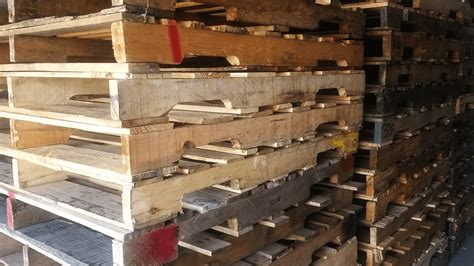
Recycled timber pallets can provide a practical source of reusable wood for household, garden and storage projects across Australia. When they are clean, structurally sound and suitable for repurposing, they can be transformed into useful items while extending the life of existing timber and reducing unnecessary material waste.
Create Raised Garden Beds
Pallet timber can be useful for constructing simple raised garden beds, particularly where gardeners want to define planting areas without using entirely new materials.
Individual boards can be dismantled from suitable pallets and reassembled into frames of different sizes. This gives greater control over the finished dimensions and allows damaged sections to be discarded.
Before using reclaimed pallet timber around edible plants, check its condition and previous use. Avoid wood with chemical stains, mould, strong odours or signs of contamination.
Build a Vertical Garden for Smaller Spaces
For courtyards, balconies and compact backyards, vertical gardening can help make better use of limited floor space.
A pallet may be adapted to hold lightweight planters or planting containers, provided it is secured correctly and the supporting wall or structure can carry the additional weight.
Vertical pallet gardens can work well for:
Decorative plants
Small flowering varieties
Selected herbs
Lightweight planter arrangements
Appropriate drainage should also be considered to prevent excessive moisture from remaining against the timber.
Turn Pallet Timber Into Simple Furniture
Reusable pallet boards can provide material for basic indoor or outdoor furniture projects where their condition is appropriate.
Common examples include:
Coffee tables
Garden benches
Low shelving
Planter stands
Small side tables
Storage units
Preparation is important. Timber should be inspected, cleaned and sanded, while protruding fasteners and splintered edges should be removed or repaired.
Outdoor furniture may also require a suitable protective finish to reduce deterioration caused by moisture and exposure.
Improve Storage Around the Home
Not every pallet project needs to be decorative. Reclaimed timber can also provide a straightforward way to improve storage in garages, sheds and utility areas.
Boards from recycled timber pallets can potentially be converted into wall racks, garden-tool holders, shoe storage or small shelving systems.
Any structure intended to carry weight should be appropriately designed and securely fixed. Reclaimed timber should not be assumed to have a particular load capacity simply because it previously formed part of a pallet.
Use Smaller Sections for Decorative Projects
Pallets do not need to remain intact to be useful. Individual boards can often be repurposed for smaller projects that require less material.
Possible ideas include:
Picture frames
Wall-mounted shelves
Decorative panels
Plant holders
Sign boards
Small storage boxes
The natural variation found in reclaimed timber can create a distinctive appearance, but heavily damaged boards should still be excluded rather than used purely for aesthetic reasons.
What Should You Check Before Reusing a Timber Pallet?
Used pallets may have been exposed to moisture, chemicals, rough handling or contaminated environments during their working life.
Before repurposing one, inspect it for:
Rot or extensive moisture damage
Mould
Strong or unusual odours
Oil, chemical or unidentified stains
Pest activity
Broken boards
Protruding nails or fasteners
Severe splitting or warping
Treatment markings can provide additional information. An HT mark generally indicates heat treatment in accordance with recognised phytosanitary requirements. However, that marking does not confirm how the pallet was used after treatment or whether it was later contaminated.
Are Recycled Pallets More Sustainable?
Reusing suitable pallet timber can help keep useful material in circulation for longer. It may reduce demand for new timber for certain small projects and delay disposal of boards that remain serviceable.
However, sustainability depends on more than reuse alone. Transport distances, timber sourcing, repairability, coatings and eventual disposal all influence the overall environmental impact.
The most responsible approach is to reuse timber selectively, maintain it where practical and recycle or dispose of unsuitable material appropriately.
FAQs
Can recycled timber pallets be used indoors?
Yes, provided their history, treatment and condition are suitable. Avoid pallets with contamination, mould, unidentified staining or significant deterioration.
Are timber pallets suitable for outdoor projects?
They can be, although exposure to rain, moisture and sunlight can shorten timber life. Appropriate preparation and an exterior-grade finish may improve durability.
Where can recycled pallets be sourced?
Pallet suppliers, recycling facilities, industrial marketplaces and businesses with surplus stock may offer used or reconditioned pallets. Always confirm ownership before collecting pallets from commercial sites.
Give Reclaimed Timber a Useful Second Life
The value of recycled timber pallets lies in using suitable material thoughtfully rather than treating every discarded pallet as reusable. Garden structures, storage systems, furniture and smaller decorative pieces can all provide productive second uses for sound timber.
Careful inspection, sensible preparation and choosing the right project for the material can make pallet reuse both practical and resource-conscious.