Hard Wood Pallets in Australia: Strength, Durability and Practical Benefits for Businesses
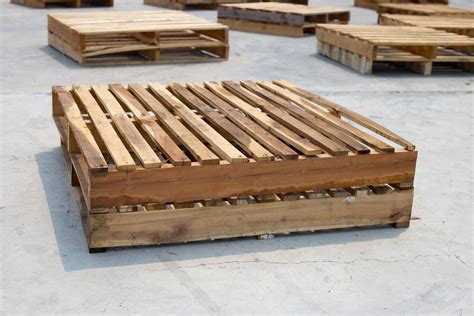
Pallet selection directly influences how safely and efficiently goods move through warehouses, distribution centres and transport networks. For businesses handling substantial loads or operating in demanding industrial environments, timber strength and pallet construction are important considerations.
Hard wood pallets are manufactured using timber from hardwood species and are commonly considered for applications requiring robust load support. Understanding their advantages, limitations and maintenance requirements can help Australian businesses determine whether they suit their logistics operations.
What Makes Hardwood Pallets Different?
Hardwood pallets are constructed using timber from broadleaf tree species, including suitable Australian hardwoods.
Compared with many commonly used softwoods, certain hardwood species offer greater density, hardness and resistance to mechanical wear.
However, hardwood is not automatically stronger in every application. Performance depends on timber species, grading, moisture content, pallet design and construction quality.
Businesses should evaluate the finished pallet's load specifications rather than relying exclusively on the type of timber used.
Strength and Load-Bearing Performance
One reason businesses consider hard wood pallets is their potential suitability for demanding material-handling applications.
Properly designed hardwood pallets can support substantial loads and withstand repeated handling under appropriate conditions.
They may be considered for transporting:
Industrial machinery and equipment.
Construction materials and manufactured components.
Agricultural products and bulk goods.
Heavy packaged inventory.
Products requiring specialised pallet dimensions.
Pallet capacity must always be assessed according to the intended application.
Static load ratings describe supported weight when stationary, while dynamic ratings relate to movement. Racking capacity is a separate consideration involving how the pallet is supported.
Exceeding the specified load rating can create serious safety risks regardless of timber strength.
Durability in Warehousing and Transportation
Pallets are regularly exposed to forklift handling, stacking pressures and movement during transport.
Appropriately selected hardwood can offer resistance to certain forms of wear, particularly in applications involving repeated handling.
However, durability depends on more than timber density.
Poor fastening, excessive moisture, damaged boards or unsuitable load distribution can reduce the useful life of any pallet.
Regular inspections remain essential to identify cracked components, protruding nails and other defects that may affect safe operation.
Customisation for Different Industrial Requirements
Standard pallet dimensions are suitable for many businesses, but specialised products may require alternative configurations.
Hardwood pallets can be manufactured with different:
Lengths, widths and deck arrangements.
Board thicknesses and support structures.
Forklift entry configurations.
Load-bearing specifications.
Reinforcement and fastening arrangements.
Custom manufacturing may be useful for oversized equipment, heavy components or specialised warehouse storage systems.
Accurate product dimensions and handling requirements should be established before finalising a design.
Comparing Hardwood, Softwood and Plastic Pallets
Each material offers advantages depending on operating conditions.
Hardwood pallets may be appropriate where particular strength, wear resistance or structural characteristics are required.
Softwood pallets are often lighter and may be more economical for general freight applications.
Plastic pallets can provide consistent dimensions and moisture resistance, making them suitable for selected hygiene-sensitive or reusable logistics systems.
No single material is universally superior.
The appropriate choice depends on load capacity, weight, storage conditions, handling equipment and expected service life.
Sustainability and Responsible Timber Sourcing
Timber is a renewable material when sourced from responsibly managed forests.
Hardwood pallets may also be repairable, reusable or recyclable, depending on their construction and condition.
However, their environmental impact depends on several factors, including forest management, manufacturing processes, transport distances and product lifespan.
Businesses seeking environmentally responsible pallet solutions should consider verified sourcing information and opportunities for repair or material recovery.
Reusing a suitable pallet may sometimes be preferable to purchasing a newly manufactured alternative.
Safety and Maintenance Considerations
Safe pallet use requires appropriate inspection and handling procedures.
Businesses should:
Check for broken boards, splits and loose fasteners.
Confirm that pallets remain suitable for their intended loads.
Avoid using visibly damaged pallets in elevated racking.
Store timber pallets away from prolonged moisture exposure where practical.
Remove unsuitable pallets from service until properly assessed or repaired.
For international shipping, applicable ISPM 15 requirements may also apply to solid timber packaging.
New or hardwood construction alone does not establish export compliance.
Evaluating Long-Term Value
Hardwood pallets may involve different initial costs compared with softwood or plastic alternatives.
Their overall value depends on purchase price, handling requirements, repair costs, useful life and replacement frequency.
Heavier pallet construction can also influence freight weight and manual-handling considerations.
Businesses should compare total operating costs rather than assuming that a more expensive or denser material will automatically deliver better value.
Frequently Asked Questions
Are hardwood pallets stronger than softwood pallets?
Certain hardwood species offer higher density and mechanical strength, but actual pallet capacity depends on design, timber grade and construction.
Can hardwood pallets be manufactured in custom sizes?
Yes. Manufacturers can produce different dimensions and configurations to meet specific storage and transportation requirements.
Are hardwood pallets environmentally friendly?
They can support responsible material use when timber is sustainably sourced and pallets are maintained, repaired or recycled appropriately.
Do hardwood pallets require special treatment for export?
Certain solid timber packaging used in international trade must meet applicable ISPM 15 treatment and marking requirements.
Choosing Pallets for Reliable Business Operations
Hardwood pallets can provide dependable performance when their construction and load specifications match the intended application.
By considering material quality, structural capacity, maintenance requirements and long-term operating costs, Australian businesses can select suitable pallet solutions for safe and efficient goods handling.