Looking For Mercedes Repairs In Sydney? How Can You Keep Your Mercedes Benz In Excellent Condition?
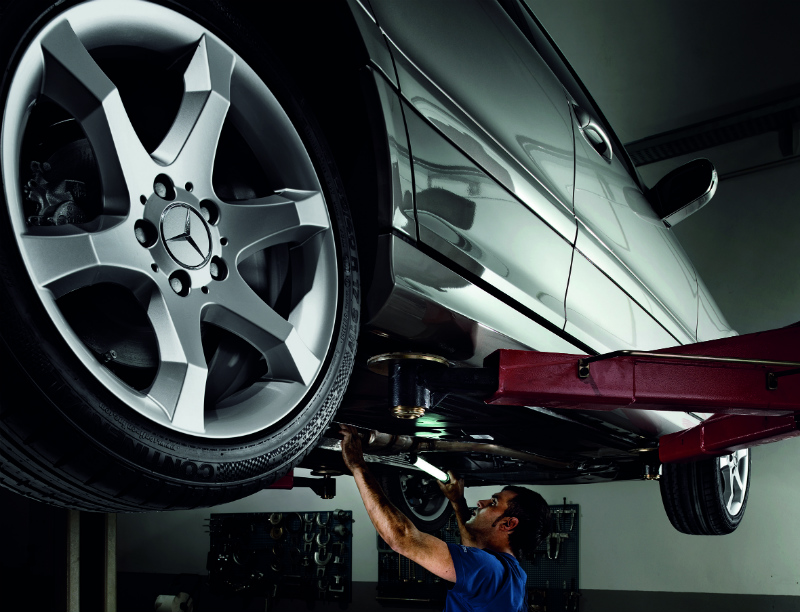
Mercedes-Benz vehicles are known for their engineering, performance, comfort, and advanced technology. However, like every vehicle, they require regular servicing and timely repairs to maintain reliability and driving performance. From engine concerns and brake problems to electrical faults and transmission issues, addressing mechanical problems early can help prevent more expensive repairs.
For Mercedes owners, finding reliable mercedes repairs in Sydney is an important part of maintaining their vehicle. Choosing an experienced automotive repair specialist who understands Mercedes-Benz systems can help ensure that servicing and repairs are carried out according to the vehicle's requirements.
Whether you drive a Mercedes-Benz sedan, SUV, coupe, or performance model, understanding common vehicle problems and maintenance requirements can help you make informed decisions about its care.
Why Does Your Mercedes-Benz Need Regular Maintenance?
Regular vehicle maintenance helps identify potential problems before they develop into major mechanical issues. Mercedes-Benz vehicles feature advanced engineering and electronic systems that require appropriate inspection and servicing.
Some important benefits of regular maintenance include:
Improved engine performance and efficiency.
Better braking and handling performance.
Early identification of mechanical problems.
Reduced risk of unexpected breakdowns.
Longer component lifespan.
Improved driving comfort and reliability.
Better protection of the vehicle's resale value.
Following the manufacturer's recommended service schedule is one of the most effective ways to maintain your vehicle.
What Are the Common Mercedes-Benz Problems That Require Repairs?
Although Mercedes-Benz vehicles are designed for performance and comfort, certain components may experience wear or develop faults over time.
Engine Problems
Engine issues can affect vehicle performance, fuel efficiency, and reliability. Common warning signs include unusual noises, excessive exhaust smoke, rough idling, reduced acceleration, and dashboard warning lights.
Possible causes include oil leaks, faulty sensors, cooling system problems, and worn engine components.
An experienced mechanic can perform a diagnostic inspection to identify the underlying issue and recommend suitable repairs.
Transmission Issues
The transmission plays an important role in delivering power from the engine to the wheels. Problems may develop due to worn components, fluid-related issues, or electronic faults.
Common symptoms include delayed gear changes, slipping gears, unusual noises, and jerking during acceleration.
Ignoring transmission warning signs may lead to further damage. Professional inspection can help determine whether servicing, component replacement, or additional repairs are necessary.
Brake System Problems
A properly functioning braking system is essential for vehicle safety. Mercedes-Benz vehicles use braking components designed to support controlled stopping and driving stability.
Common warning signs include:
Squeaking or grinding noises.
Vibrations when applying the brakes.
Reduced braking response.
A soft or unusual brake pedal feel.
Brake warning lights on the dashboard.
Brake pads, discs, sensors, and other braking components should be inspected regularly and replaced when necessary.
Electrical System Faults
Modern Mercedes-Benz vehicles contain advanced electronic systems that control various functions, including lighting, entertainment, engine management, and safety features.
Electrical problems may result in warning lights, malfunctioning sensors, battery issues, or problems with electronic accessories.
A suitable diagnostic scan and electrical inspection can help identify the source of the fault.
Suspension and Steering Problems
The suspension system helps maintain vehicle stability, handling, and passenger comfort. Over time, components such as shock absorbers, control arms, bushes, and suspension joints may wear out.
Signs of suspension or steering problems include uneven tyre wear, unusual noises, excessive bouncing, and difficulty controlling the vehicle.
Timely inspection can help maintain comfortable driving and proper handling.
What Does a Mercedes-Benz Service Include?
A professional vehicle service involves inspecting important systems and components to assess their condition and identify maintenance requirements.
Depending on the vehicle model, age, mileage, and service schedule, a typical service may include:
Engine Oil and Filter Replacement
Engine oil lubricates internal components and helps reduce friction and heat. Replacing old oil and filters at the recommended intervals supports engine operation.
Brake Inspection
Brake pads, discs, fluid, and related components should be checked for wear, leaks, and other signs of damage.
Battery and Electrical Checks
Battery condition, charging performance, wiring, and electronic systems may be inspected to identify potential electrical problems.
Tyre and Suspension Inspection
Tyre pressure, tread depth, alignment-related wear, and suspension components should be checked to support safe handling.
Fluid Level Inspection
Coolant, brake fluid, transmission fluid, and other relevant fluids should be checked according to the manufacturer's servicing requirements.
Diagnostic Scanning
Modern Mercedes-Benz vehicles use electronic control systems that store fault information. Appropriate diagnostic equipment can help technicians identify warning codes and investigate potential problems.
How Do You Know When Your Mercedes Needs Repairs?
Recognising early warning signs can help prevent minor problems from becoming more serious.
Pay attention to these common indicators:
Dashboard warning lights remain illuminated.
Unusual engine or transmission noises develop.
The vehicle experiences reduced acceleration.
Brakes produce grinding or squeaking sounds.
Fuel consumption increases unexpectedly.
The engine overheats.
Steering becomes difficult or unusual.
Fluid leaks appear underneath the vehicle.
If you notice any of these symptoms, arrange an inspection rather than ignoring the problem. If the vehicle shows serious warning signs, stop driving when it is safe to do so and seek professional assistance.
How Do You Choose the Right Mercedes-Benz Repair Specialist?
Choosing an appropriate automotive workshop is important for maintaining a premium vehicle. Not every repair facility has the same experience, diagnostic equipment, or knowledge of Mercedes-Benz systems.
Consider these factors before selecting a repair specialist:
Mercedes-Benz experience: Look for technicians familiar with the specific model and its mechanical systems.
Diagnostic equipment: Check whether the workshop has suitable diagnostic tools for modern Mercedes vehicles.
Transparent pricing: Request a clear quotation explaining labour, parts, and additional costs.
Quality replacement parts: Ask whether genuine or suitable quality aftermarket components are available.
Customer feedback: Read reviews to understand other customers' experiences.
Clear communication: Choose a workshop that explains repair findings and discusses available options.
A reliable repair specialist should explain the recommended work and seek approval before carrying out additional repairs.
How Can You Maintain Your Mercedes-Benz Between Services?
Regular care can help reduce unnecessary wear and support consistent vehicle performance.
Follow these simple maintenance practices:
Check engine oil and other relevant fluid levels regularly.
Monitor tyre pressure and tread condition.
Pay attention to unusual noises or vibrations.
Keep the vehicle clean to protect its exterior and interior.
Follow the recommended servicing schedule.
Avoid ignoring dashboard warning lights.
Check the battery condition, particularly before long journeys.
Address small mechanical concerns before they become more serious.
Keeping service records can also help track previous maintenance and support future repair decisions.
Frequently Asked Questions
How often should a Mercedes-Benz be serviced?
Service intervals depend on the model, engine, age, driving conditions, and manufacturer recommendations. Always follow the maintenance schedule specified for your particular vehicle.
Are Mercedes-Benz repairs expensive?
Repair costs vary depending on the fault, replacement parts, labour, and vehicle model. Advanced components and specialised systems may increase repair costs compared with some standard vehicles.
Can a general mechanic repair a Mercedes-Benz?
Some general mechanics have the experience and equipment required to service Mercedes-Benz vehicles. However, complex electronic and mechanical problems may require specialised knowledge and diagnostic equipment.
Why is my Mercedes-Benz showing a dashboard warning light?
A warning light may indicate an issue with the engine, braking system, battery, sensors, or another vehicle component. A diagnostic inspection can help identify the underlying cause.
Is regular servicing important for older Mercedes-Benz vehicles?
Yes. Older vehicles may experience additional wear in their mechanical, electrical, and suspension components. Regular inspections can help identify problems and determine appropriate maintenance requirements.
Conclusion
Maintaining a Mercedes-Benz requires regular servicing, suitable replacement parts, and timely attention to mechanical or electrical problems. From engine and transmission concerns to brake, suspension, and electrical faults, professional inspections can help identify issues and support vehicle reliability.
When considering mercedes repairs in Sydney , choose an experienced automotive repair specialist who understands Mercedes-Benz vehicles and uses appropriate diagnostic equipment. Following the recommended maintenance schedule and addressing warning signs early can help protect your vehicle, support its performance, and provide greater confidence on the road.