Why Technical Support Matters When Selecting a Concrete Mix
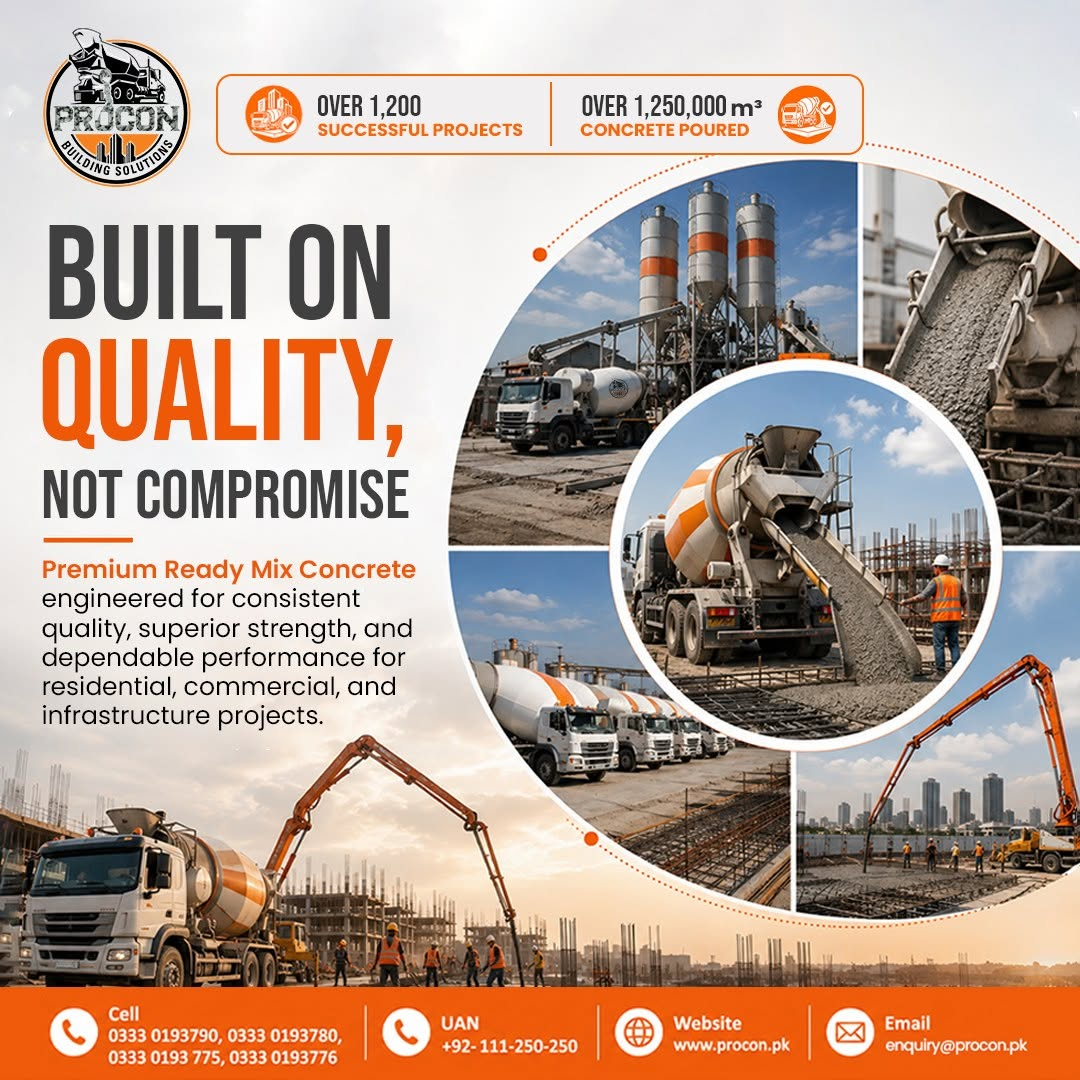
Choosing the right building materials for a construction project involves far more than simply selecting a standard strength grade off a product sheet. Modern civil engineering demands specialized concrete formulations tailored to specific structural loads, environmental conditions, and placement methods. From high-rise commercial towers and industrial floor slabs to suburban residential developments, using an improper mix can lead to structural cracking, placement delays, and costly long-term maintenance. Engaging dedicated technical support from experienced suppliers of ready mix concrete in Pakistan ensures engineering teams select, test, and place the ideal concrete mix designed for their project's unique requirements.
1. Matching Mix Formulations to Structural Design Specifications
Structural blueprints outline strict design requirements for load-bearing capacity, durability, and serviceability:
Target Strength Classifications: Technical specialists help contractors select the exact compressive and flexural strength grades (such as 20 MPa, 30 MPa, or custom high-strength designs) required for columns, beams, and foundations.
Optimizing Slump for Placement Methods: Whether concrete is placed via direct chute discharge, static line pumps, or high-pressure boom pumps, technical advisors adjust the fluid slump to prevent pipe blockages and material segregation.
Cost-Effective Design Selection: Expert guidance prevents over-engineering, helping project managers select cost-effective formulations that fulfill structural building codes without inflating material budgets.
2. Navigating Environmental Exposure and Chemical Defense
Concrete elements are constantly exposed to aggressive environmental factors that can compromise their structural integrity over time:
Subterranean Soil and Groundwater Protection: Technical teams analyze soil and groundwater reports to recommend sulfate-resisting cement or mineral admixtures like slag and fly ash for underground footings.
Hot-Weather Hydration Management: High ambient temperatures accelerate cement hydration, causing rapid slump loss and thermal cracking. Technical experts incorporate hydration retarders and adjust batching temperatures to preserve workability.
Corrosion Control: Low-permeability mix designs enriched with silica fume shield embedded rebar against moisture ingress and airborne chlorides in coastal regions.
3. On-Site Quality Assurance and Verification Testing
Technical support extends beyond laboratory design into active, real-time quality control on the job site:
Slump and Temperature Monitoring: On-site technical technicians test fresh concrete arrivals for proper temperature and slump consistency before discharging material into placement pumps.
Standardized Compression Cylinder Sampling: Field personnel cast standard test cylinders to conduct 7-day and 28-day compression break tests, providing verified proof of structural strength for engineering audits.
Troubleshooting Field Challenges: If unexpected site delays occur, technical advisors evaluate the mix on-site and recommend approved adjustments to preserve workability safely.
4. Accelerating Construction Schedules and Formwork Cycles
Project timelines depend heavily on how quickly poured concrete gains sufficient strength to allow subsequent construction phases:
Early-Strength Formulations: Technical specialists engineer high-early-strength mixes that allow contractors to strip vertical formwork earlier, significantly speeding up floor-by-floor construction cycles.
Custom Admixture Dosing: Tailoring chemical accelerator dosing ensures rapid strength development without sacrificing long-term durability or workability.
Audit and Compliance Support: Technical teams provide complete digital batch documentation and certified test reports required for municipal approvals and client sign-offs.
Conclusion
Technical support plays a vital role in modern construction, bridging the gap between structural engineering concepts and practical site execution. By consulting with concrete technology experts, builders ensure their material selections deliver target strength, fluid workability, and long-term durability against environmental wear. Professional technical guidance eliminates costly site guesswork, protects capital investments, and ensures compliance with international building standards. To access expert mix consultation, certified strength testing, and reliable plant supply for your next project, learn more about ready mix concrete in Pakistan today.
Survey No. 423, Ibrahim Hydri, behind Bol head quarter, Korangi creek road, Karachi-74900
+92 21 111 250 250