Why Proper Concrete Placement Matters in Multi-Story Buildings
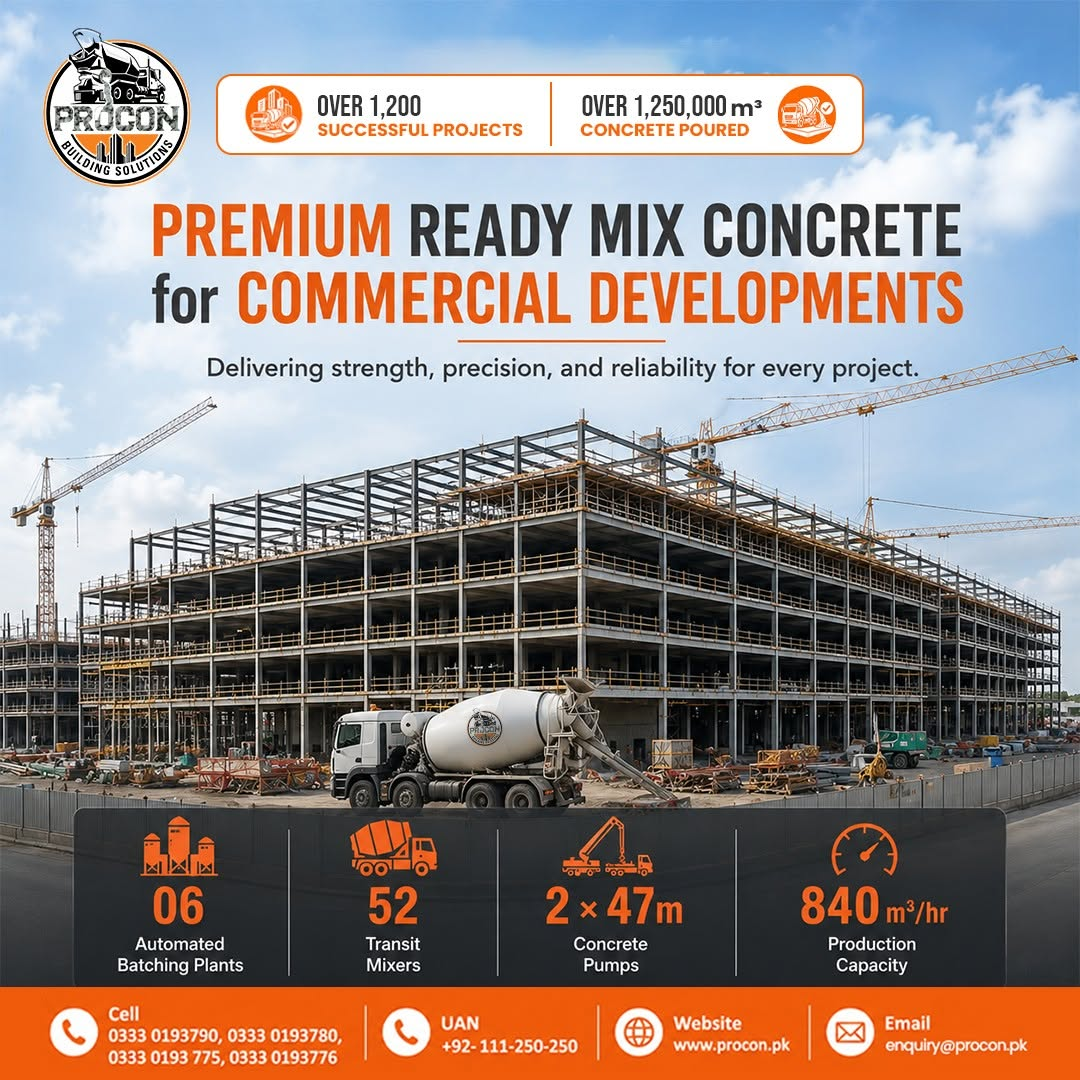
Multi-story residential and commercial structures place immense loads on structural frames, shear walls, and foundation systems. While selecting an appropriate mix design and achieving target compressive strength are essential steps, proper placement mechanics dictate whether a building performs safely over its operational lifespan. Transporting, discharging, and compacting fresh concrete improperly can induce severe structural defects, including cold joints, honeycombing, and segregation. Utilizing standardized placement techniques alongside reliable material suppliers for ready made concrete Karachi ensures high-rise construction teams maintain structural integrity from ground-level foundations to top-floor slabs.
1. Preventing Material Segregation and Structural Weak Points
Fresh concrete is a heterogeneous matrix of aggregates, sand, binder, and water. Dropping or transferring fresh material incorrectly disrupts this balance, compromising structural stability:
Controlling Free-Fall Heights: Dropping fresh concrete from excessive heights into tall column forms or shear walls causes heavy coarse aggregates to separate from the cement paste, creating aggregate pockets and weak bases.
Avoiding Over-Vibration: While mechanical vibration eliminates entrained air voids, excessive internal vibration causes heavy aggregates to settle at the bottom while bleed water rises, compromising surface layer durability.
Ensuring Uniform Density: Systematic, layer-by-layer placement followed by controlled compaction guarantees consistent mass density throughout load-bearing columns and transfer girders.
2. Eliminating Cold Joints in Continuous Floor Slabs
Pouring expansive slab areas in multi-story towers requires synchronized material delivery and continuous placement to maintain monolithic structural action:
Managing Initial Setting Times: Delayed concrete arrivals cause previously placed layers to begin stiffening before the next batch is deposited, creating weak interface planes known as cold joints.
Maintaining Inter-Layer Bonding: Site placement crews must consolidate fresh concrete directly into the preceding un-set layer using internal vibrators to ensure seamless structural integration.
Synchronized Pumping Operations: Coordinating continuous pump feed lines with ground-level transit mixer arrivals prevents placement stops, protecting the continuous integrity of large post-tensioned slabs.
3. Protecting Embedded Steel Reinforcement and Eliminating Honeycombing
Multi-story structural elements contain dense rebar cages designed to withstand intense bending, shear, and seismic forces:
Flow Around Dense Rebar: Proper placement techniques force fresh concrete into narrow gaps between closely spaced rebar bars without clogging or forming honeycombed air pockets.
Guaranteed Rebar Cover: Correct placing and vibration ensure full concrete coverage over structural steel, establishing an alkaline barrier that shields internal rebar from atmospheric moisture and corrosion.
Preventing Formwork Displacement: Depositing concrete evenly prevents uneven lateral pressure against vertical formwork, keeping high-rise columns, elevator cores, and shear walls perfectly plumb.
4. Elevating Site Logistics and Partnering with Proven Suppliers
Executing multi-story pours efficiently requires seamless coordination between site logistics, mechanical equipment, and material suppliers:
Integrated Concrete Pumping: Utilizing high-pressure boom pumps or static line systems moves fresh concrete directly into upper-level formwork, bypassing manual handling delays and labor fatigue.
Environmental Protections During Placement: Implementing windbreaks and sun shades during hot-weather pours controls surface evaporation, preventing early plastic shrinkage cracking on open floor decks.
Strategic Construction Alliances: Partnering with established building solution providers like procon gives project managers access to computer-controlled batching, certified mix formulations, and synchronized delivery transit fleets tailored to high-rise building schedules.
Conclusion
Proper concrete placement is a fundamental requirement for guaranteeing structural safety, durability, and code compliance in multi-story buildings. By managing free-fall distances, preventing material segregation, eliminating cold joints, and ensuring full rebar coverage, engineering teams turn theoretical mix designs into resilient structural elements. Mechanized placement systems combined with factory-controlled batching protect physical assets against premature degradation, keeping complex high-rise developments moving forward safely and efficiently. To streamline your multi-story construction logistics and secure batch-controlled materials, explore reliable solutions for ready made concrete Karachi today.
Survey No. 423, Ibrahim Hydri, behind Bol head quarter, Korangi creek road, Karachi-74900
+92 21 111 250 250