Ready-Mix Concrete vs Site-Mixed Concrete: Key Differences
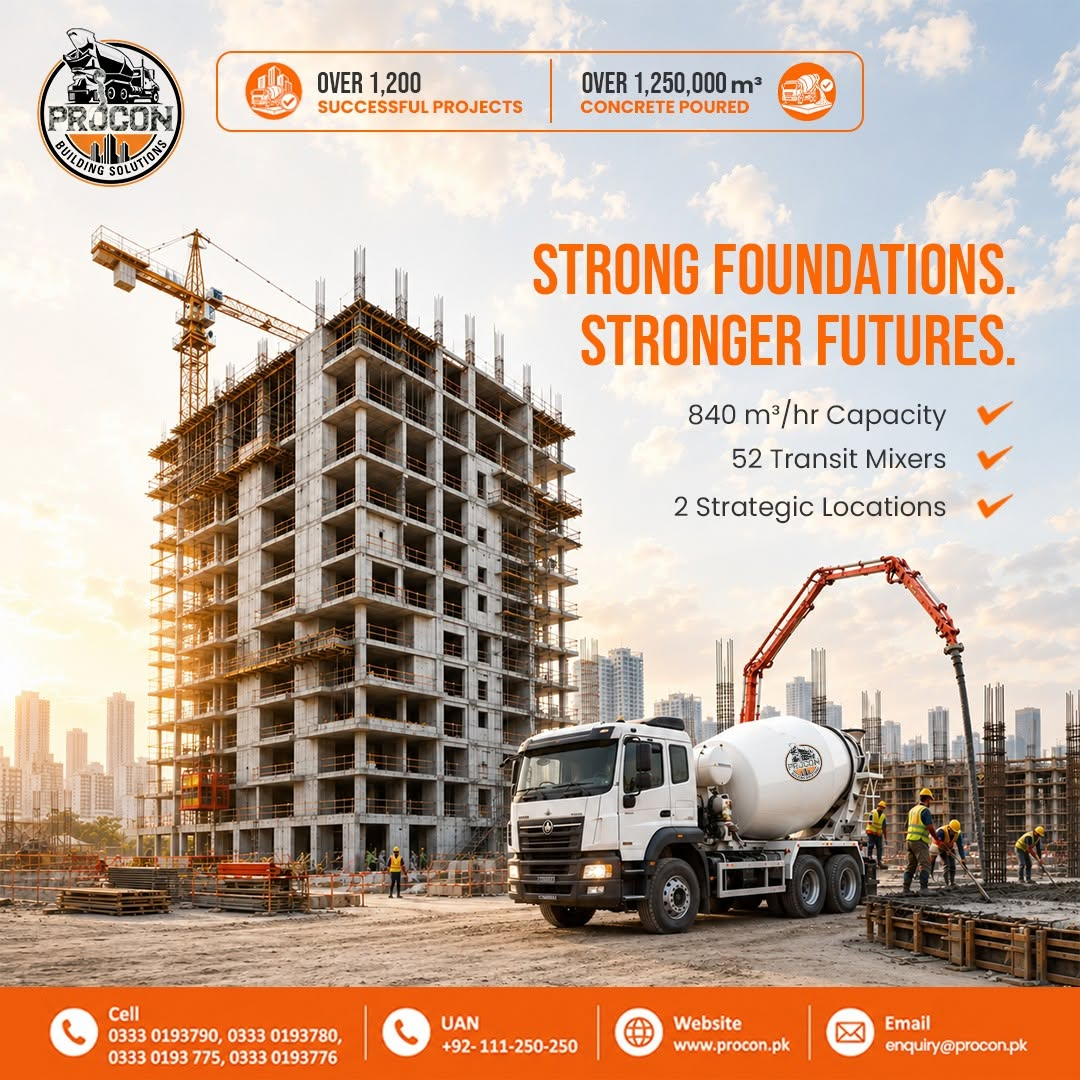
Concrete is the backbone of modern infrastructure, providing the fundamental strength required for everything from residential homes to high-rise towers and industrial facilities. When planning a construction project, one of the most vital material decisions contractors and developers must make is choosing between ready-mix concrete and traditional site-mixed concrete. While site mixing has historically been a common practice, the introduction of computerized batching and specialized delivery systems—such as a high-capacity concrete pump Karachi builders rely on—has shifted industry standards decisively toward ready-mix solutions.
Understanding the Two Production Methods
To evaluate both options, it is essential to understand how each method prepares concrete for structural placement:
Site-Mixed Concrete: Raw materials—cement, sand, gravel, and water—are stored on-site and mixed manually or using small portable tilting drum mixers. Ratios are typically estimated by volume using shovels or wheelbarrows.
Ready-Mix Concrete (RMC): Concrete is manufactured in an automated, computerized batching plant according to precise mix designs. Ingredients are weighed digitally to exact tolerances and delivered to the construction site in specialized transit mixers, ready for immediate pour.
Key Differences Between Ready-Mix and Site-Mixed Concrete
1. Batch Precision and Quality Control
Quality control is the primary differentiator between the two methods. Site mixing relies heavily on human judgment, leading to fluctuating water-cement ratios, unwashed aggregate contamination, and inconsistent compressive strength across different batches. Conversely, RMC plants utilize digital load cells and automated moisture sensors. Every ingredient is weighed precisely, ensuring that every load delivers uniform density, slump, and compressive strength that strictly complies with engineering standards.
2. Operational Speed and Labor Efficiency
Manual site mixing is slow, labor-intensive, and produces limited volume per hour, making large-scale foundation or slab pours drawn-out and tedious. Ready-mix concrete enables continuous, high-volume pours capable of discharging dozens of cubic meters per hour. Delivered straight from transit mixers directly into pumps, RMC dramatically accelerates project timelines while allowing site managers to reallocate manual labor to core structural tasks like rebar tying and formwork assembly.
3. Site Footprint and Material Logistics
Storing bulky raw materials—such as loose piles of sand, stone aggregates, and hundreds of bagged cement units—requires significant space and creates clutter on tight urban job sites. Materials exposed to rain or humidity risk degradation and waste. RMC operates on a just-in-time delivery model that completely eliminates on-site raw material storage, keeping access roads clear, reducing material spillage, and maintaining a safer working environment.
4. Material Waste and Environmental Impact
Inaccurate manual estimation during site mixing frequently leads to over-batching or rejected mixes, creating material waste and localized soil pollution from washing operations. RMC facilities calculate exact project volumes and recycle plant wash water, significantly minimizing material waste, conserving water, and lowering the carbon footprint of the building process.
Making the Right Choice for Your Project
While manual site mixing may remain viable for minor repair work or small DIY projects where small volumes are needed periodically, RMC is the clear standard for structural commercial, residential, and infrastructure builds that require certified strength, speed, and durability.
Conclusion
Comparing ready-mix concrete and site-mixed concrete highlights a clear evolution from manual, unpredictable site practices to factory-engineered material precision. Ready-mix concrete offers superior compressive strength, rapid placement, reduced labor demands, and minimal site waste, making it the ideal choice for modern construction projects. Partnering with certified batching plants and utilizing specialized equipment through trusted concrete pump Karachi suppliers ensures your building project achieves maximum structural safety, operational speed, and long-term durability.
Survey No. 423, Ibrahim Hydri, behind Bol head quarter, Korangi creek road, Karachi-74900
+92 21 111 250 250