How Concrete Strength Requirements Are Communicated Through Technical Specifications
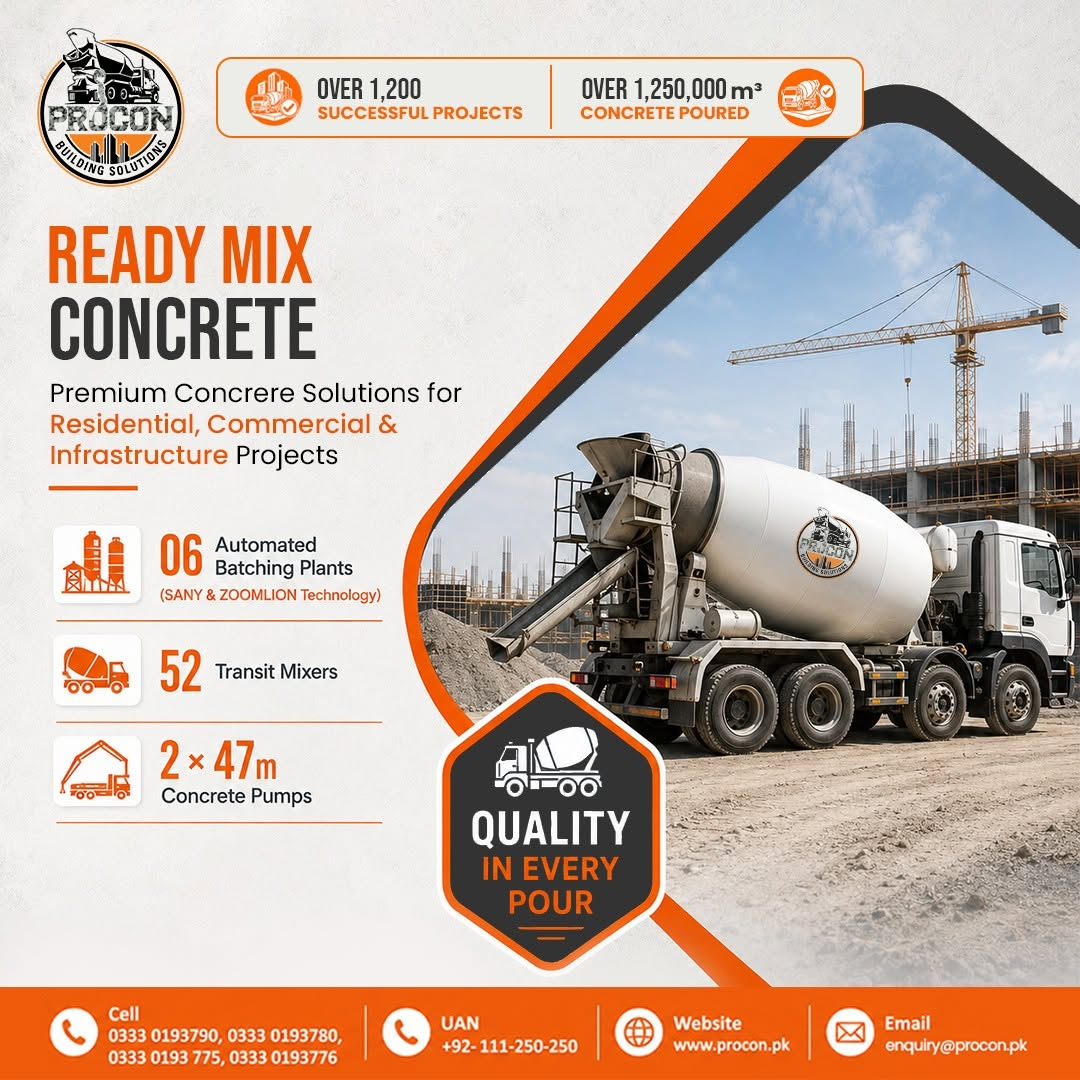
The structural integrity, safety, and longevity of any construction project depend entirely on how clearly engineering intentions are translated into actionable instructions on paper. When designing massive foundations, load-bearing columns, and elevated floor slabs, structural engineers must communicate precise material performance benchmarks to contractors, batching plants, and quality control inspectors. Because concrete is a complex composite material whose final properties are dictated by water-cement ratios, aggregate grading, and curing conditions, ambiguity in the technical specifications can lead to severe structural failures. Establishing clear, standardized communication protocols is vital for successful project execution, and for contractors and developers seeking dependable material consistency and precise engineering support, utilizing professional services like ready mix concrete in Karachi ensures that complex technical requirements are met with absolute batching accuracy from day one.
The Core Terminology of Structural Strength
Technical specifications typically define concrete strength through standardized compressive strength metrics, universally designated as f'c for cylinders or fcu for cubes, measured in megapascals (MPa) after a standard twenty-eight-day curing period. However, communicating strength requires more than just quoting a single number.
Specifications must clearly differentiate between characteristic strength, target mean strength, and early-age strength requirements needed for tasks such as formwork removal or post-tensioning. By detailing these exact thresholds, engineers ensure that the material can safely resist anticipated dead loads, live loads, environmental pressures, and seismic forces without suffering excessive deflection or micro-cracking.
Integrating Durability and Exposure Classifications
True structural performance involves much more than compressive strength alone; durability under aggressive environmental exposure is equally critical. Modern technical specifications classify concrete environments based on exposure conditions, such as sulfate-rich soils, marine proximity, continuous moisture, or freeze-thaw cycles.
To communicate these requirements effectively, specifications mandate specific chemical limits, such as maximum water-cement ratios, minimum cementitious content, and the inclusion of supplementary cementitious materials like fly ash or silica fume. Furthermore, they outline specific testing protocols for permeability, chloride ion penetration, and air entrainment, ensuring the concrete withstands harsh environmental degradation over decades of service.
Bridging Laboratory Design With Job-Site Execution
A common engineering hurdle is ensuring that the theoretical strength targets written in a specification document are successfully replicated inside an active, unpredictable job site. Technical specifications bridge this gap by outlining mandatory submittal procedures, trial batch testing protocols, and field sampling frequencies.
Inspectors and testing laboratories use these guidelines to cast, cure, and test standard cylinders or cubes under strict ASTM or BS standards. If field test results fall below specified thresholds, the documentation provides pre-approved remediation guidelines, load-testing protocols, or rejection criteria, eliminating guesswork and ensuring legal and structural compliance.
Conclusion
Technical specifications serve as the essential communication bridge between engineering design and physical construction, ensuring that concrete strength requirements are clearly defined, understood, and executed. Vague or incomplete specifications invite structural vulnerabilities and costly project delays. To guarantee absolute material reliability, rigorous compliance with engineering codes, and superior structural performance on your next major development, partner with trusted industry experts offering ready mix concrete in Karachi for enduring construction excellence.
Survey No. 423, Ibrahim Hydri, behind Bol head quarter, Korangi creek road, Karachi-74900
+92 21 111 250 250