How Concrete Quality Standards Help Improve Structural Reliability
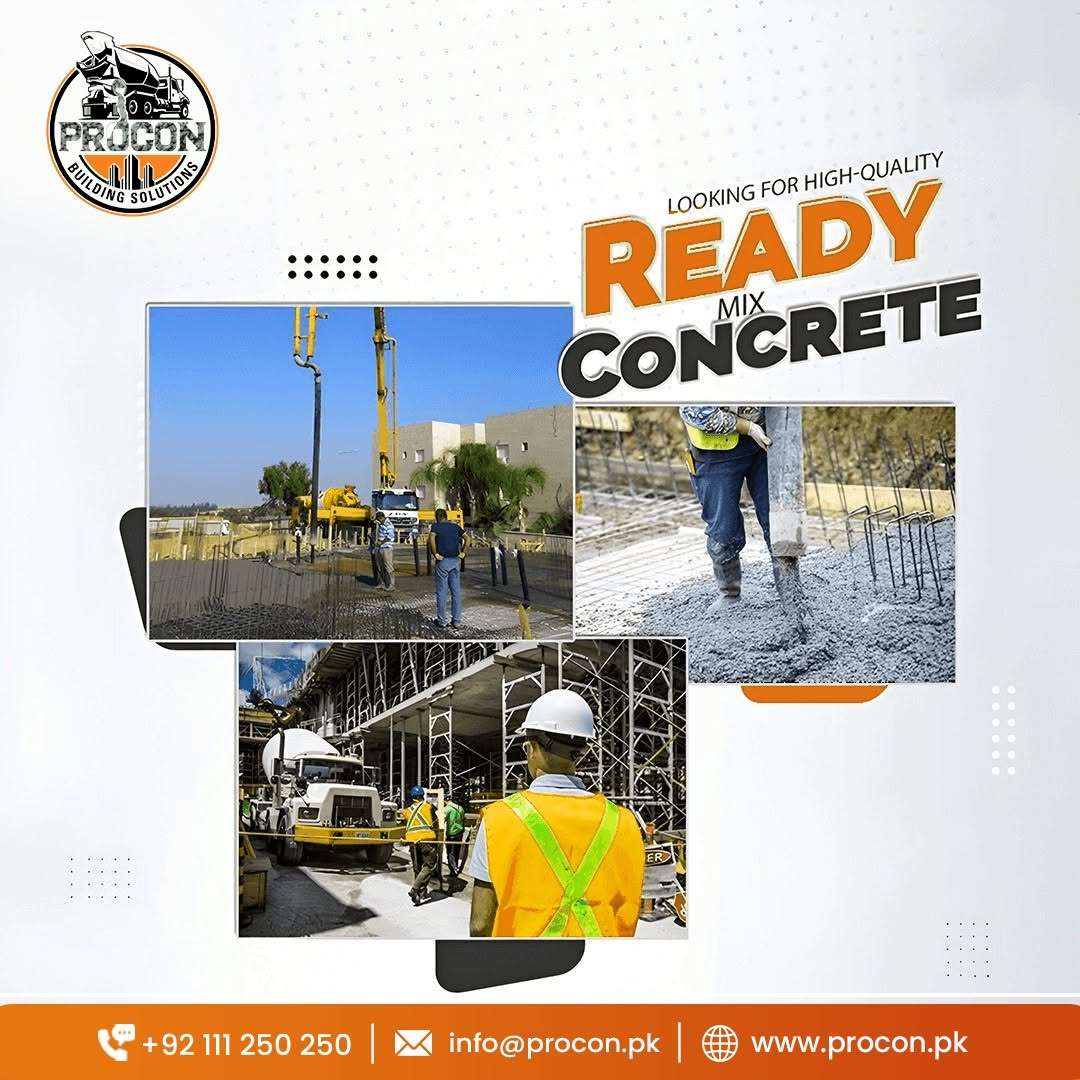
In civil engineering and modern real estate development, structural reliability is the cornerstone of human safety, economic investment, and long-term architectural longevity. From towering commercial high-rises and expansive residential complexes to heavy industrial facilities and vital infrastructure, concrete serves as the primary load-bearing material. Because a building or bridge is only as strong as its core structural elements, ensuring uncompromised material performance is a non-negotiable priority. Traditional manual site-batching methods are frequently plagued by inconsistent ingredient proportions, uncalibrated water-cement ratios, and human error, all of which introduce severe structural vulnerabilities. Achieving true reliability requires strict adherence to rigorous industrial quality standards and precision manufacturing. Sourcing certified materials and dependable support from a premier provider of ready mix concrete in Pakistan ensures that builders achieve absolute structural consistency from the foundation up.
1. Enforcing Precise Compressive Strength and Load Capacity
Structural reliability begins with the fundamental ability of concrete to withstand immense permanent dead loads and shifting live occupancy pressures without failing.
Eliminating Guesswork: Standardized quality protocols ensure that every batch of concrete is engineered to meet precise compressive strength (PSI) thresholds required by structural blueprints.
Optimizing Aggregate Gradation: Certified batching plants utilize carefully graded coarse and fine aggregates to maximize particle packing, eliminating internal voids and maximizing density.
Uniform Load Distribution: Consistent material quality ensures that columns, shear walls, and foundation rafts perform predictably under extreme stress, preventing localized weak points or unexpected structural buckling.
2. Defending Against Environmental and Chemical Degradation
Structures are continuously exposed to aggressive environmental elements that can rapidly degrade substandard materials over time.
Preventing Steel Rebar Corrosion: Strict quality standards mandate low-permeability mix designs that block moisture, chlorides, and atmospheric gases from penetrating the matrix and rusting internal reinforcement steel.
Resistance to Subterranean Aggression: In regions with harsh soil chemistries, quality-controlled mixes incorporate specialized pozzolans and sulfate-resistant binders to prevent chemical attack.
Thermal and Weather Resilience: Standardized production guarantees that concrete can withstand extreme temperature fluctuations and intense seasonal weather cycles without suffering surface spalling or premature fatigue.
3. Guaranteeing Workability and Flawless Placement
Reliability is not just a measure of hardened strength; it also depends heavily on how the material behaves during the liquid transport and placement phase.
Maintaining Consistent Slump: Quality standards ensure that concrete retains its designated workability and viscosity during transit through congested urban corridors.
Eliminating Segregation Risks: Properly controlled cohesion prevents heavy aggregates from separating from the cement paste, ensuring uniform structural integrity throughout complex formwork.
Ensuring Smooth Pumping Performance: Standardized mixes flow seamlessly through high-pressure lines and placing booms, preventing dangerous blockages and pressure spikes during critical pours.
4. Automated Industrial Batching and Laboratory Testing
Achieving the strict quality standards necessary for modern structural reliability requires industrial-scale manufacturing precision. Centralized batching facilities utilize automated digital weighing systems, real-time moisture sensors, and rigorous laboratory cylinder testing to verify that every truckload complies fully with international engineering specifications before it ever reaches the job site.
Conclusion
Adhering to strict concrete quality standards is essential for maximizing structural reliability, safeguarding human lives, and protecting long-term real estate investments. By replacing uncalibrated manual mixing habits with automated industrial precision, rigorous laboratory testing, and disciplined quality control, the construction industry can eliminate costly structural defects. Partnering with an established and trusted leader in ready mix concrete in Pakistan gives developers and contractors the material excellence and operational confidence required to build enduring, resilient structures that stand the test of time.
Survey No. 423, Ibrahim Hydri, behind Bol head quarter, Korangi creek road, Karachi-74900
+92 21 111 250 250