Aligning Real Estate Investments with Evolving Financial Landscapes
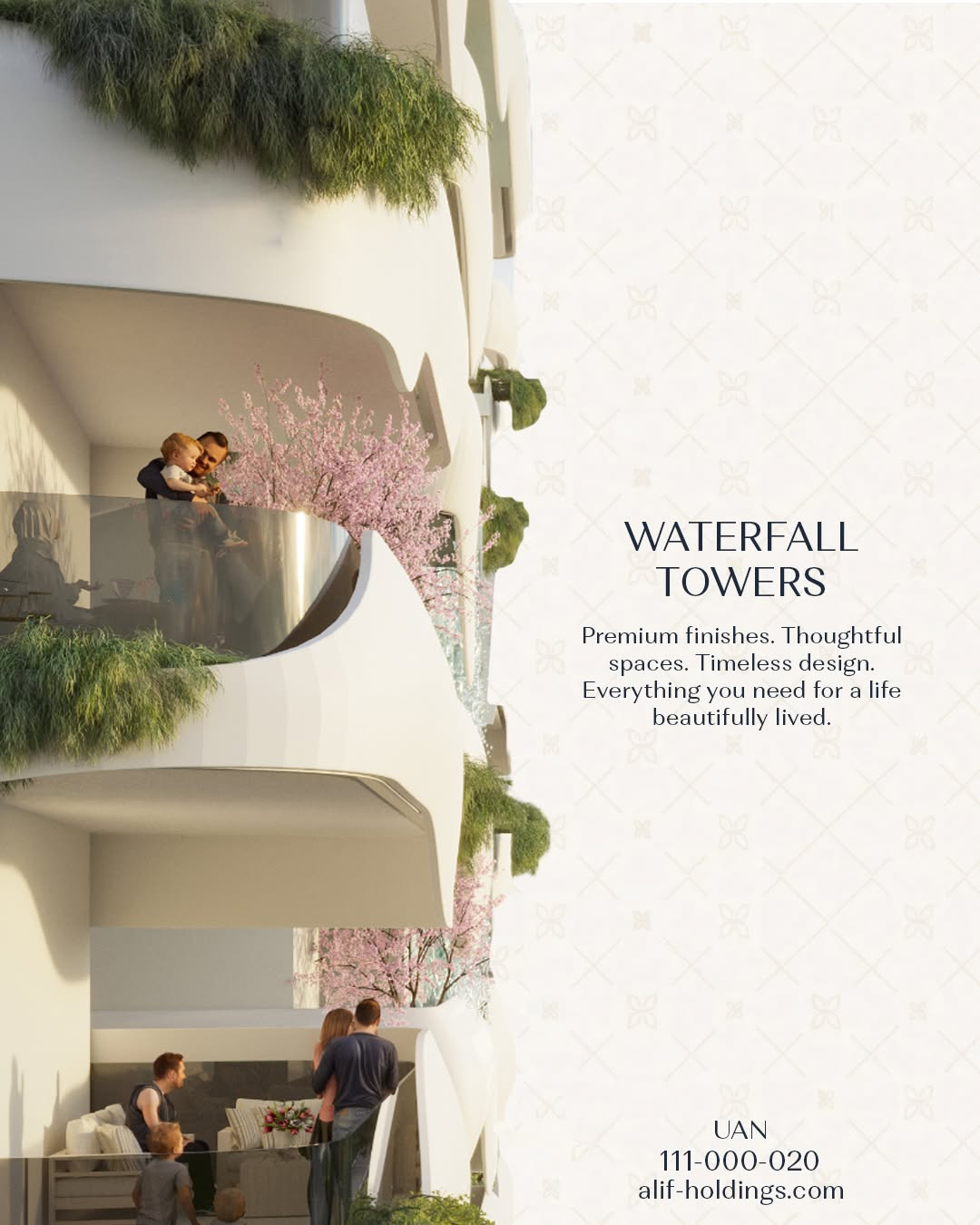
Purchasing real estate is a monumental milestone that requires careful financial forecasting, especially when household incomes and expenses fluctuate over time. Whether you are upgrading to a larger family home or acquiring a residential unit for passive income, your property investment strategy must remain flexible enough to adapt to changing economic conditions. Committing to long-term installment plans without assessing future budgetary shifts can strain personal liquidity and create unnecessary financial stress. For buyers exploring dynamic urban opportunities, examining structured payment plans while researching flats for sale in Lahore provides a practical framework for balancing lifestyle aspirations with disciplined fiscal management.
Assessing Current Liquidity and Setting Realistic Down Payments
The first step in planning a property purchase around your household budget is conducting an honest appraisal of your current cash flow, savings, and monthly disposable income. Overextending your finances on an aggressive initial down payment can deplete your emergency reserves, leaving your household vulnerable to unexpected financial shocks. A well-balanced budget allocates funds for the initial booking while maintaining a comfortable buffer for daily living expenses, healthcare, and other essential obligations. Reputable developers often offer tiered down payment structures that allow buyers to enter the market without compromising their financial stability.
Structuring Manageable Installment Plans for Long-Term Security
Off-plan and under-construction properties typically feature structured installment plans spread across several years, making high-value real estate accessible to a broader range of buyers. When evaluating these schedules, households must project their income growth and potential expense increases over the construction lifecycle. Opting for milestone-linked installments rather than rigid, compressed payment windows ensures that your property investment grows in tandem with your financial capacity. This careful pacing prevents payment defaults and protects you from incurring administrative penalties or facing liquidity crunches.
Accounting for Hidden Costs and Post-Handover Expenses
A common pitfall for first-time and seasoned buyers alike is budgeting solely for the purchase price while ignoring ancillary costs. Real estate acquisition involves various supplementary expenses, including government taxes, legal verification fees, registration charges, and eventual property maintenance dues. Furthermore, once the keys are handed over, owners must account for utility connections, interior finishing, and recurring property taxes or facility management fees. Incorporating these secondary expenditures into your financial planning prevents unexpected budget deficits down the line.
Creating Financial Buffers for Economic and Market Fluctuations
Macroeconomic factors—such as inflation, fluctuating utility tariffs, and shifting interest rates—can indirectly impact household budgets and construction timelines. Building a financial safety net specifically designated for your real estate venture ensures that temporary market shifts or personal income fluctuations will not derail your investment journey. Prioritizing developments backed by financially stable builders who adhere to strict construction schedules further minimizes the risk of prolonged delays and unexpected cost overruns.
Conclusion
Ultimately, planning property purchases around changing household budgets is the key to achieving sustainable, stress-free real estate ownership. By evaluating your liquidity, selecting flexible installment schedules, accounting for hidden fees, and maintaining emergency buffers, you can build a resilient investment portfolio. To explore professionally managed residential communities featuring transparent pricing and flexible payment options, examine flats for sale in Lahore to find a secure, high-yield asset tailored for your financial future.
232 -B, Commercial Sector C, Bahria Town, Lahore Pakistan
111-000-020