Light, Air, and Privacy on Your Terms: The Practical Appeal of Aluminium Louvres
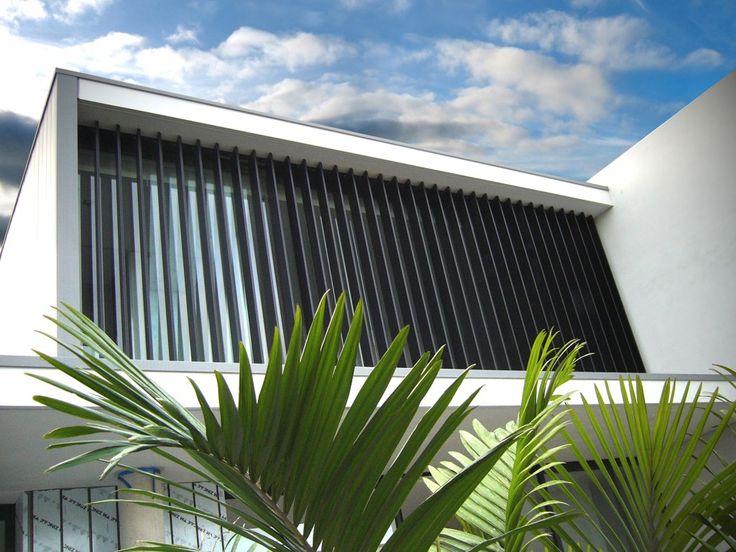
There are very few architectural elements that do as many jobs simultaneously as a well-specified louvre system. They manage sunlight without blocking the view. They allow airflow without sacrificing privacy. They add a strong design element to a facade or outdoor space without the visual weight of solid screening. For Australian homeowners and commercial property owners seeking a solution that addresses multiple performance requirements in a single installation, aluminium louvres deliver a combination of functionality, durability, and visual appeal that has made them one of the most versatile and widely specified elements in contemporary residential and commercial design.
What Aluminium Louvres Are and How They Work
A louvre is an angled blade or slat that is mounted within a frame or along a structure to control the passage of light, air, and sightlines through an opening. The angle of the blade determines how much direct sunlight is admitted or blocked, how much airflow passes through, and at what angles the interior or exterior space is visible from outside.
Aluminium is the dominant material for louvre systems in the Australian market for reasons that go beyond aesthetics. It is inherently resistant to corrosion and weathering, dimensionally stable across the temperature and humidity ranges that Australian climates produce, available in a virtually unlimited range of powder coat colours, and strong enough to span long blade lengths without sagging or deflecting under wind load.
Fixed louvre systems use blades set at a predetermined angle that is optimised for the specific orientation and function of the installation. Adjustable louvre systems use motorised or manually operable blades that can be rotated to vary the degree of shading, ventilation, and privacy at different times of day or in different weather conditions.
Where Aluminium Louvres Perform Best
The versatility of aluminium louvre systems means they appear across a broad range of residential and commercial applications throughout Australia:
Facade screening and sun shading on the north and west-facing elevations of homes and commercial buildings where direct summer sun creates heat gain and glare that affects comfort and energy costs.
Pergola and alfresco roofing where adjustable louvre roof systems allow outdoor entertaining areas to be used comfortably in light rain, strong sun, and variable weather by controlling the opening angle of the roof blades.
Privacy screening along boundaries, between neighbouring properties, and around pool and outdoor living areas where privacy is required without fully enclosing the space.
Balcony and deck screening that filters wind and sun while maintaining the openness and connection to the outdoors that makes these spaces valuable.
Car park and commercial facade screening where louvre panels manage light and ventilation across large open facades while providing a consistent, architecturally resolved visual appearance.
Ventilation louvres in building walls and roofs where fixed blade systems allow passive airflow into roof cavities, mechanical plant rooms, and utility spaces without allowing water ingress during rain events.
Choosing the Right Louvre System for the Application
Fixed Versus Adjustable Systems
Fixed louvre systems are the simpler and lower-cost option, suited to applications where a consistent blade angle is appropriate for the orientation and function of the installation. A fixed shading blade on a north-facing facade angled to block the high summer sun while admitting the lower winter sun is a straightforward and highly effective passive solar design element that requires no mechanism or ongoing adjustment.
Adjustable louvre systems, including motorised louvre roofs, offer the flexibility to respond to changing conditions throughout the day and across seasons. They are more complex mechanically and carry a higher upfront cost, but for alfresco living areas and facades where the requirements vary significantly between different times of day and different seasons, the ability to control light, rain protection, and ventilation dynamically makes the additional investment genuinely worthwhile.
Blade Profile and Spacing
The profile of the louvre blade — its width, depth, and cross-sectional shape determines how effectively it shades the space behind it, how much airflow it allows, and how it looks from both inside and outside the building. Wider, deeper blades provide more aggressive shading and stronger visual presence. Narrower blades allow more light through and create a finer, more delicate appearance. The spacing between blades affects the ratio of open to closed area and must be balanced against the privacy, shading, and ventilation requirements of the specific application.
Powder Coat Finish and Colour
Powder coated aluminium louvres are available in virtually any colour in the standard range, with custom colour matching available for projects where the louvre finish must align precisely with an existing palette. In coastal environments, marine-grade powder coat finishes and anodised aluminium options provide additional protection against salt air degradation that standard powder coat may not sustain over the long term without regular maintenance.
Final Thoughts
A louvre system that is correctly specified for its orientation, its application, and the aesthetic of the building it serves is one of those architectural elements that earns its place through consistent, daily performance. Quality aluminium louvres manage sunlight, airflow, and privacy with a precision that solid screens and curtains cannot replicate, and they do so with a durability and low-maintenance finish that suits the demands of the Australian climate across decades of use. Consult a qualified supplier, assess the specific performance requirements of the application, and specify a system that solves the problem properly from the first day of installation.