Foot Orthotics: What They Do and When They May Be Recommended
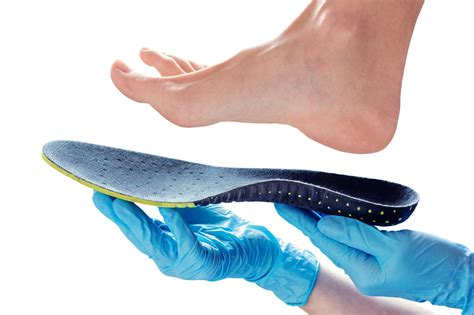
Shoe inserts are widely available, from basic cushioned insoles sold over the counter to devices prescribed following a clinical assessment. Although they can look similar, their purpose and design can be quite different.
Foot orthotics are devices worn inside footwear to alter how forces are distributed across the foot or to provide support for particular needs. They may form part of a broader management plan for certain foot and lower-limb concerns, but they are not a universal solution for every type of pain.
Understanding what orthotics can—and cannot—do can help people make more informed decisions about their use.
Why Might Orthotics Be Recommended?
Foot discomfort can arise for many reasons. Activity levels, footwear, previous injuries, joint mobility and the loads placed on different parts of the foot may all contribute.
Depending on the assessment, orthotics may be considered for concerns involving:
Heel or arch discomfort
Pressure beneath particular areas of the foot
Certain sporting or activity-related symptoms
Some joint or tendon conditions
Specific structural or functional requirements
The presence of pain does not automatically mean orthotics are necessary. Identifying the likely cause and contributing factors should come first.
How Do Orthotics Work?
Orthotics can be designed to change how pressure and load are distributed when a person stands, walks or runs.
For one person, the aim may be to reduce pressure on a sensitive area. For another, it may be to provide additional support or modify loading during movement.
This is different from claiming that an orthotic permanently “corrects” the foot. Human movement varies considerably, and not every variation in foot shape or walking pattern requires treatment.
Custom Orthotics and Over-the-Counter Insoles
Not every shoe insert needs to be custom-made.
Prefabricated insoles are available in different shapes, materials and levels of support. They may be suitable for some people depending on their symptoms and requirements.
Custom orthotics are individually prescribed and manufactured according to information gathered during an assessment. They may be considered where more specific modifications or features are required.
A higher level of customisation does not automatically make a device the better option for every person. The appropriate choice depends on the reason it is being used.
Assessment Comes Before Prescription
Before recommending foot orthotics, a podiatrist may assess the person's symptoms, medical history, footwear and activities.
Depending on the problem, the assessment can also involve examining:
Foot and ankle movement
Areas of tenderness
Joint mobility
Muscle function
Walking or running patterns
Current footwear
Activities that aggravate symptoms
These findings help determine whether an orthotic is likely to be useful and what characteristics the device may require.
Orthotics Are Often Only One Part of Management
It is important not to view orthotics as an isolated cure.
Depending on the condition, a management plan may also involve footwear changes, exercises, modification of activity or gradual changes to training load. In some circumstances, assessment or treatment from another health professional may also be appropriate.
The aim is to address the individual's presentation rather than assume one intervention will resolve every contributing factor.
Comfort and Footwear Matter
Even an appropriately prescribed orthotic needs to work with the footwear in which it is being used.
Shoes should generally have enough internal space to accommodate the device without creating excessive pressure or causing the foot to feel cramped. Some orthotics may work better with particular shoe designs than others.
People who use several types of footwear—for example, work shoes, running shoes and casual footwear—should discuss where they intend to use their orthotics.
Do Orthotics Last Forever?
No fixed replacement schedule applies to every device.
How long an orthotic remains suitable can depend on its materials, frequency of use, changes in symptoms, footwear and the person's requirements. Some components may show visible wear before the entire device requires replacement.
Rather than replacing orthotics solely because a particular number of years has passed, their condition and ongoing suitability should be reviewed when necessary.
When Should You Seek Advice?
Persistent foot pain, recurring symptoms or difficulty completing normal activities warrants appropriate assessment rather than relying indefinitely on self-selected inserts.
Professionally assessed foot orthotics may be one management option when there is a clear reason to modify support or loading within the shoe. Their value depends on selecting the right device for the right problem.
Frequently Asked Questions
Are custom orthotics better than store-bought insoles?
Not necessarily. The appropriate option depends on the individual's symptoms and requirements. Some people may benefit from prefabricated devices, while others require more specific modifications.
Can orthotics prevent sporting injuries?
Orthotics may be useful for certain conditions, but they cannot guarantee that an injury will be prevented.
Can children use orthotics?
Orthotics may be recommended for some children when there is a specific clinical reason. Assessment is particularly important because children's feet and movement change as they grow.
When should orthotics be reviewed?
A review may be appropriate if symptoms change, the device becomes uncomfortable or damaged, footwear requirements change, or there are concerns about whether it remains suitable.