Wood Hydronic Heating: A Comfortable Approach to Home Warmth
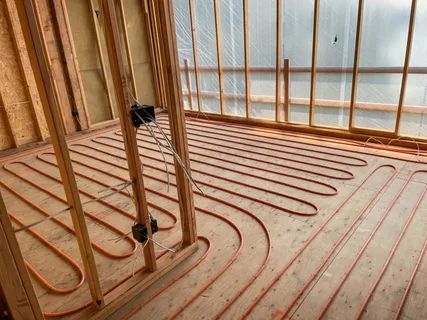
Creating a warm and comfortable home during colder months often means finding a heating system that suits the property, lifestyle and energy requirements. Hydronic heating is one option worth exploring because it uses heated water to distribute warmth through radiators, underfloor pipes or other compatible heat emitters. Wood hydronic heating combines this approach with a wood-fired heat source, providing an alternative for properties where wood fuel is practical and available.
Understanding how the system operates, what installation involves and how it should be maintained can help homeowners decide whether this heating method suits their needs.
How Wood-Fired Hydronic Heating Works
A wood-fired hydronic heating system uses a combustion unit to heat water. The heated water circulates through a network of pipes and transfers warmth into rooms through radiators or underfloor heating components.
Depending on the system design, a storage tank may hold heated water for later use, helping manage differences between when the fire produces heat and when the household needs it. Pumps, temperature controls and safety components help regulate circulation and system operation.
Unlike a conventional wood heater that mainly warms the area around it, a hydronic arrangement can distribute heat to multiple rooms when designed for that purpose. However, performance depends on the heat source, building insulation, system sizing and the layout of the property.
Potential Benefits for Residential Heating
For suitable homes, wood hydronic heating may offer several practical advantages.
Consistent Heat Distribution
Radiators and underfloor heating systems can distribute warmth throughout selected areas of a property. Correct system design helps reduce uncomfortable temperature differences between rooms.
Use of Wood as a Fuel Source
Where sustainably sourced firewood is readily available, wood may be a practical heating fuel. Its overall cost and convenience depend on local supply, storage requirements, fuel quality and the time needed to manage the fire.
Compatibility with Different Heat Emitters
Hydronic systems can be designed around radiators, underfloor pipework or other suitable heat distribution equipment. The best configuration depends on the building and the temperature requirements of the chosen heat emitters.
Heat Storage Options
Some installations incorporate a thermal storage tank. This can store hot water and help balance heat production with household demand, although the appropriate tank size and controls must be determined during system design.
Important Factors Before Installation
Installing a wood-fired hydronic system requires careful planning. The heat source must be sized to suit the property's heating demand rather than selected on appearance or output alone.
Consider the following points before proceeding:
Property insulation: Better insulation can reduce heat loss and help the system operate more effectively.
Fuel storage: Firewood needs an appropriate, dry storage area to maintain suitable fuel quality.
Installation requirements: The boiler, pipework, flue and associated components must be installed according to applicable standards and manufacturer instructions.
Maintenance access: Ash removal, chimney cleaning and system inspections need to be considered.
Operating costs: Compare fuel expenses, electricity for pumps, servicing and installation costs when assessing long-term value.
A qualified heating specialist can assess the property and recommend a system configuration suited to its size and heating requirements.
Safety and Regular Maintenance
Wood combustion produces smoke and potentially harmful gases, including carbon monoxide. The heating appliance and flue must be correctly installed, maintained and operated to reduce these risks. Suitable carbon monoxide alarms should be installed where required and in accordance with local safety guidance.
Use appropriately seasoned wood and follow the appliance manufacturer's instructions. Never burn treated timber, painted wood or unsuitable waste materials. Keep combustible items away from the appliance and arrange regular inspections of the flue, heat exchanger, pumps and safety controls.
Routine maintenance helps identify problems early and supports reliable operation throughout the heating season.
Is This Heating Option Suitable for Your Home?
Choosing wood hydronic heating involves weighing the benefits of distributing heat through water against the practical responsibilities of operating a wood-fired appliance. It may suit some properties, particularly where fuel storage, regular maintenance and appropriate installation facilities are available.
Before making a decision, compare alternative heating systems, estimate the total running costs and seek advice from a qualified installer. With suitable planning, correctly selected equipment and regular maintenance, a wood-fired hydronic system can provide a considered heating solution for a home during colder weather.