Are Oversized Glasses Bad for Your Eyes?
Are Oversized Glasses Bad for Your Eyes? | Lensmake
The Truth About Large Frames, Vision Comfort, and Choosing the Right Fit
Oversized glasses are everywhere. From fashion runways to everyday street style, large eyeglass frames have become a popular way to make a bold statement.
But behind their stylish appearance, an important question remains: Are oversized glasses bad for your eyes?
The short answer is no, oversized glasses do not automatically harm your eyesight. However, their size, fit, lens design, and prescription can affect how comfortably and clearly you see.
A fashionable pair of glasses should do more than look good. It should also support your vision and feel comfortable throughout the day.
Here's what you should know before choosing oversized frames.
1. Can Oversized Glasses Damage Your Eyes?
One of the biggest misconceptions about oversized eyewear is that large frames can weaken your eyesight.
In reality, frame size alone does not damage your eyes.
What matters more is whether your prescription lenses are correctly made, positioned, and fitted.
If the optical centers of your lenses are not properly aligned with your eyes, you may experience symptoms such as:
Blurry or distorted vision
Eye strain
Headaches
Difficulty focusing
Uncomfortable peripheral vision
These symptoms do not necessarily mean your eyesight is getting worse. They may indicate that your glasses need an adjustment or an optical fitting check.
The key takeaway: Oversized frames can be perfectly suitable when the prescription and fitting are correct.
2. Why Are Oversized Glasses So Popular?
Oversized glasses have become more than a practical accessory. They are an important part of modern fashion.
Their popularity comes from several advantages.
Bold personal style: Large frames create a noticeable look and can become a signature accessory.
Wide variety of designs: Oversized glasses are available in square, round, geometric, rectangular, and other shapes.
Larger lens area: A bigger frame can provide a broader physical lens area, although the usable field of clear vision depends on the prescription and lens design.
Versatility: Depending on the shape and material, oversized glasses can complement casual outfits, professional clothing, and fashion-forward styles.
At Lensmake, choosing eyewear is about finding a balance between personal style, comfort, and everyday practicality.
3. Does Frame Size Affect Your Prescription?

How Frame Size Affects Prescription Lenses
Yes. The size and shape of your eyeglass frame can influence the finished lenses.
This becomes particularly important for people with stronger prescriptions.
For Nearsightedness (Myopia)
Minus-power lenses are generally thicker toward the edges.
When the frame is very large, more of the outer lens area may remain after cutting, potentially making the lenses thicker and heavier.
For someone with a strong minus prescription, smaller or moderately sized frames may sometimes offer a thinner, lighter result.
For Farsightedness (Hyperopia)
Plus-power lenses are generally thicker in the center.
Frame dimensions, lens material, and how the lenses are positioned can influence their final thickness, weight, and appearance.
For Astigmatism
People with astigmatism can wear oversized glasses, but accurate lens positioning and prescription measurements remain important.
Practical tip: If you have a high prescription, ask an optician to estimate lens thickness and weight before selecting an oversized frame.
4. Can Oversized Glasses Cause Headaches or Eye Strain?
Oversized glasses do not inherently cause headaches.
However, certain fitting or prescription problems may contribute to discomfort.
For example, glasses that sit too low, slide down your nose, or place the lenses in an unsuitable position may affect your visual experience.
Some prescriptions are also more sensitive to lens position, including the distance between your eyes and the lenses.
Larger frames can make these fitting details especially important.
If your glasses regularly cause headaches, dizziness, or blurry vision, have the prescription and fit checked by a qualified eye care professional.
Do not assume that the frame size is the only cause.
5. The Importance of Proper Optical Alignment
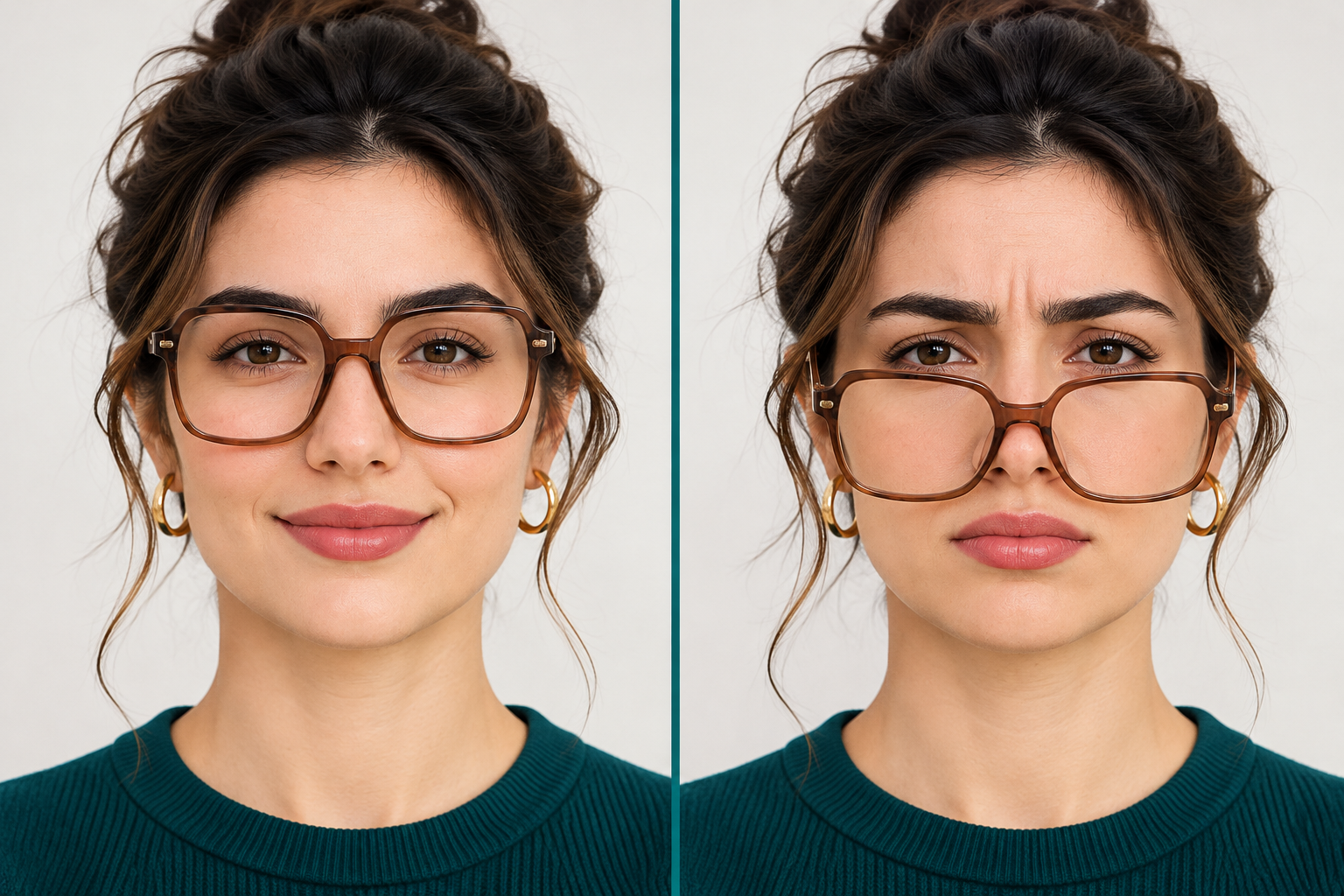
Proper vs Poorly Fitted Oversized Glasses
A comfortable pair of prescription glasses depends on more than frame appearance.
Opticians consider several measurements when fitting eyewear.
Pupillary Distance (PD): The distance between the centers of your pupils helps position the lenses appropriately.
Optical Center Position: For many single-vision lenses, correct positioning helps ensure comfortable viewing.
Fitting Height: This is especially important for progressive lenses and certain other lens designs.
Frame Position: The way the frame sits on your face, including its tilt and distance from your eyes, can affect optical performance.
With oversized glasses, careful measurements help ensure that style does not come at the expense of visual comfort.
6. Are Oversized Glasses Suitable for Progressive Lenses?
Yes, oversized frames can work well with progressive lenses.
Progressive lenses provide different viewing powers for distance, intermediate, and near vision.
A frame needs enough vertical space to accommodate the selected progressive lens design.
Oversized frames often provide sufficient height, but bigger does not automatically mean better.
The exact frame dimensions, lens design, and fitting measurements determine whether a particular pair is suitable.
An experienced optician can help you select a frame that supports comfortable vision at different distances.
7. What Are the Disadvantages of Oversized Glasses?
Oversized frames have many style benefits, but there are a few practical considerations.
Extra weight: Larger lenses and bulky frame materials may make glasses heavier.
Lens thickness: Strong prescriptions may result in thicker lenses, depending on frame size and material.
Slipping: Frames that are too wide can slide down the nose or feel unstable.
Peripheral distortion: Certain prescriptions and lens designs may produce more noticeable distortion when looking through areas away from the intended viewing zone.
Poor proportions: A frame that extends too far beyond your face may not fit securely or comfortably.
These concerns do not mean oversized glasses are a bad choice. They simply highlight the importance of selecting the right pair.
8. How to Choose Oversized Glasses That Fit Properly
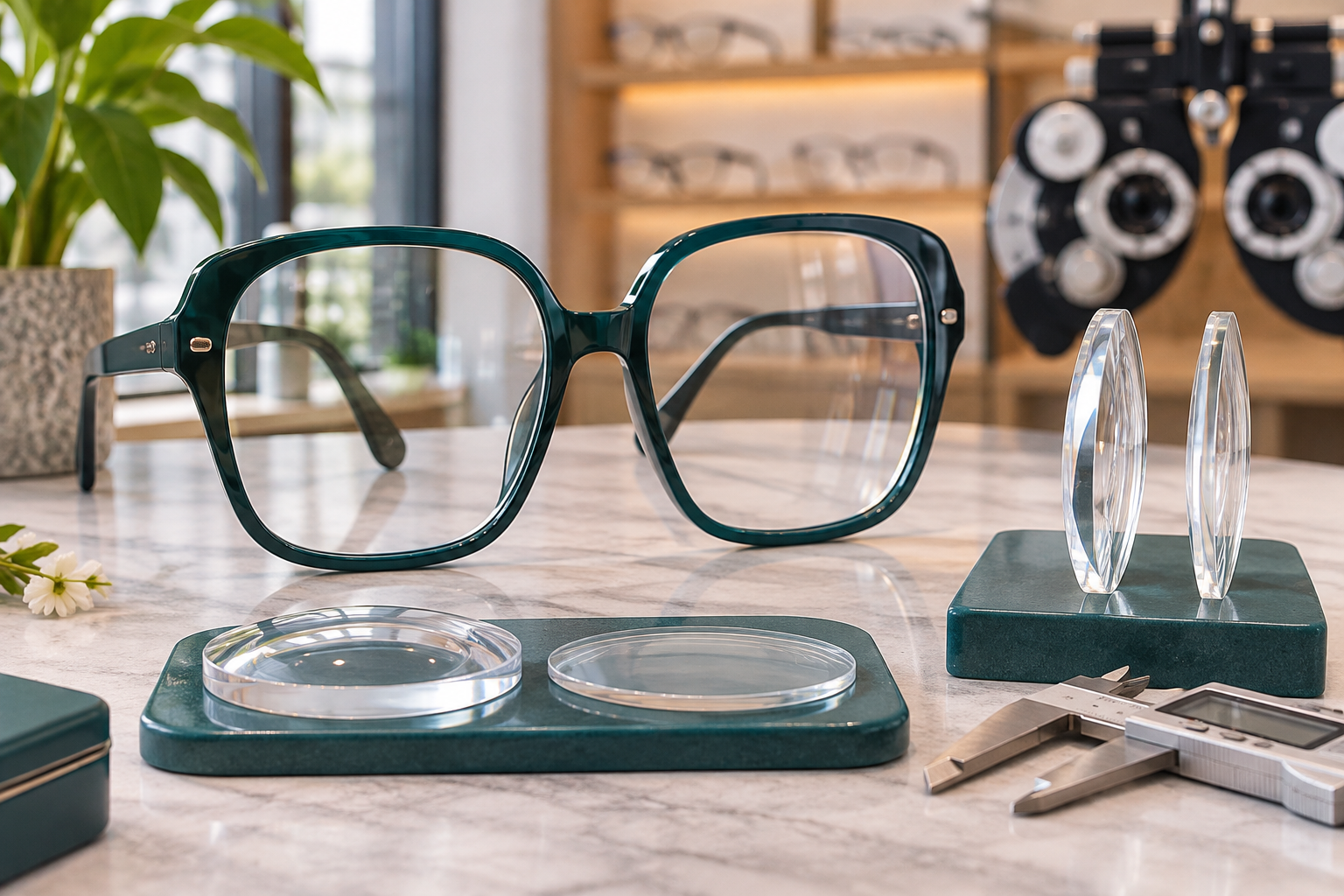
Choosing Stylish and Comfortable Oversized Glasses
If you love oversized eyewear, you do not have to give up your favorite style.
Use these practical tips to find a comfortable pair.
Choose the Right Frame Width
Your glasses should feel secure without squeezing the sides of your head.
The frame should not be so wide that it constantly slides down your nose.
Pay Attention to the Bridge
A well-fitting bridge helps distribute weight comfortably and keeps the glasses in a stable position.
Consider Lightweight Materials
Lightweight frame materials can help reduce pressure on the nose and ears.
Check Lens Thickness
If you have a stronger prescription, discuss lens material and thickness with your optician.
Make Sure Your Eyes Are Properly Positioned
The lenses should be fitted according to your prescription and individual measurements, not simply the visual center of the frame.
Prioritize Comfort Over Trends
Wear the glasses for several minutes before making your decision.
Move your head, look in different directions, and check whether the frame stays comfortable and secure.
A stylish frame should feel as good as it looks.
9. Oversized vs. Regular Glasses: Which Is Better?
There is no universal winner.
Oversized glasses may be ideal for someone who enjoys expressive fashion and finds a well-fitting large frame.
Regular-sized glasses may appeal to people who prefer a lighter, more understated appearance.
For stronger prescriptions, moderately sized frames may offer practical advantages in lens thickness and weight.
The best choice depends on your prescription, facial measurements, lens design, and personal preferences.
Rather than asking whether oversized glasses are better or worse, ask:
Which frame gives me the best combination of clear vision, comfort, and style?
That is the question that matters most.
10. Can You Wear Oversized Glasses Every Day?
Absolutely, provided they fit properly and your lenses are suitable for your prescription.
There is no general rule that oversized glasses should only be worn occasionally.
Many people comfortably wear larger frames for work, reading, studying, and everyday activities.
However, if you notice repeated slipping, pressure marks, headaches, or visual discomfort, it may be time for an adjustment.
The goal is not simply to wear fashionable glasses.
It is to wear glasses that support your daily life.
Frequently Asked Questions
Are oversized glasses harmful to eyesight?
No. Oversized frames themselves do not damage eyesight. Problems may arise from an incorrect prescription, unsuitable lens design, or poor optical fitting.
Can oversized glasses make your eyes look smaller?
They can change how your eyes appear, depending on frame proportions and lens prescription. Minus lenses, for example, can make the eyes appear smaller.
Are oversized frames good for high prescriptions?
Sometimes, but larger frames can increase lens thickness or weight, particularly with strong minus prescriptions. Ask an optician about suitable frame dimensions and lens materials.
Can oversized glasses cause dizziness?
Poorly fitted glasses or an unsuitable prescription may contribute to dizziness or visual discomfort. Persistent dizziness should be evaluated rather than attributed to frame size alone.
Are oversized glasses suitable for small faces?
Yes, if the frame dimensions, bridge, and temple fit are appropriate. A deliberately oversized style should still sit securely and comfortably.
Can I use progressive lenses in oversized frames?
Yes. Many oversized frames can accommodate progressive lenses, provided the fitting height and other measurements meet the requirements of the chosen lens design.
Final Thoughts
Oversized glasses are not bad for your eyes simply because they are large.
The real difference comes from how well they fit, how accurately the lenses are made, and whether the frame works with your prescription.
If you love bold eyewear, there is no reason to avoid oversized frames automatically.
Choose a comfortable design, pay attention to lens quality, and seek professional fitting advice when necessary.
Because the best eyeglasses are not just the ones that look fashionable.
They are the ones that help you see clearly, feel comfortable, and express your personality with confidence.
Explore eyewear styles and practical frame-selection guidance at Lensmake.
About the Author
Md Tauqueer Raza | Shopify Developer at Lensmake
Md Tauqueer Raza is a Shopify Developer at Lensmake with an interest in eyewear fashion, lens technology, e-commerce, and modern shopping experiences.
He shares practical eyewear advice, frame styling ideas, and informative guides to help readers make more confident choices.
Website: https://lensmake.com/
Disclosure: The author works with Lensmake, the eyewear brand mentioned in this article